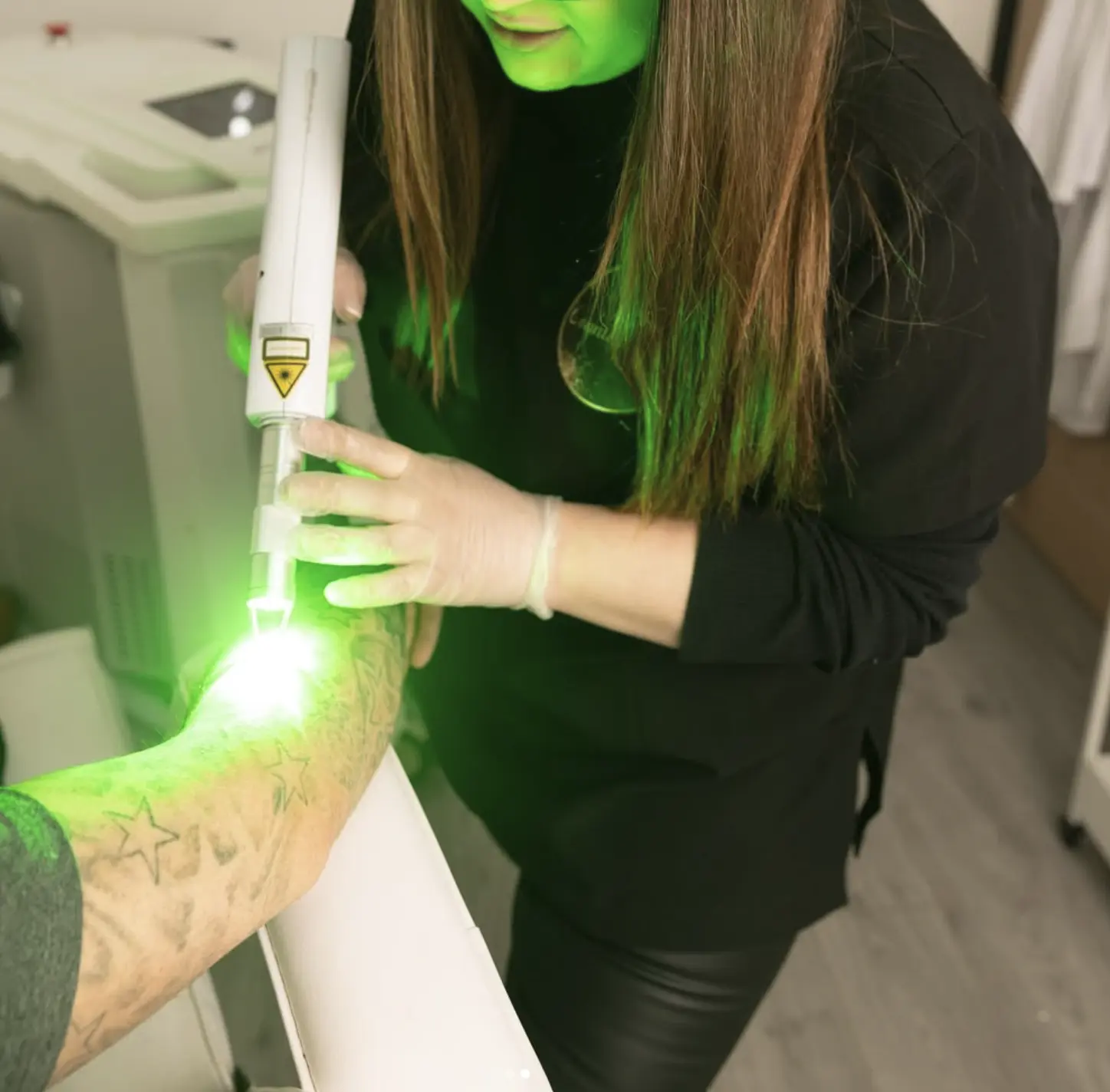
“Can I perform tattoo removal as a beauty therapist, or do I need a nursing degree in 2026?” That’s a question I always get from clients and students walking into Cosmetic Tattoo Studio Melbourne Face Figurati. Honestly, I get why – Social media is full of ‘experts‘ who claim to be laser specialists, and the whole licensing thing is a right old mess.
The truth is somewhere in the middle, though. If you really want to offer laser tattoo removal safely and without getting shut down, then you need more than just a shiny new machine and a whole lotta confidence – you need the right training, licensing, and understanding of skin.
I’m Olha Po, the founder of Cosmetic Tattoo Studio Melbourne Face Figurati. After nearly a decade of working in cosmetic tattooing and correction, I’ve seen both sides – some amazing removals and just as many absolute disasters. So, let’s break this down without all the fluff, hype, or outdated information.
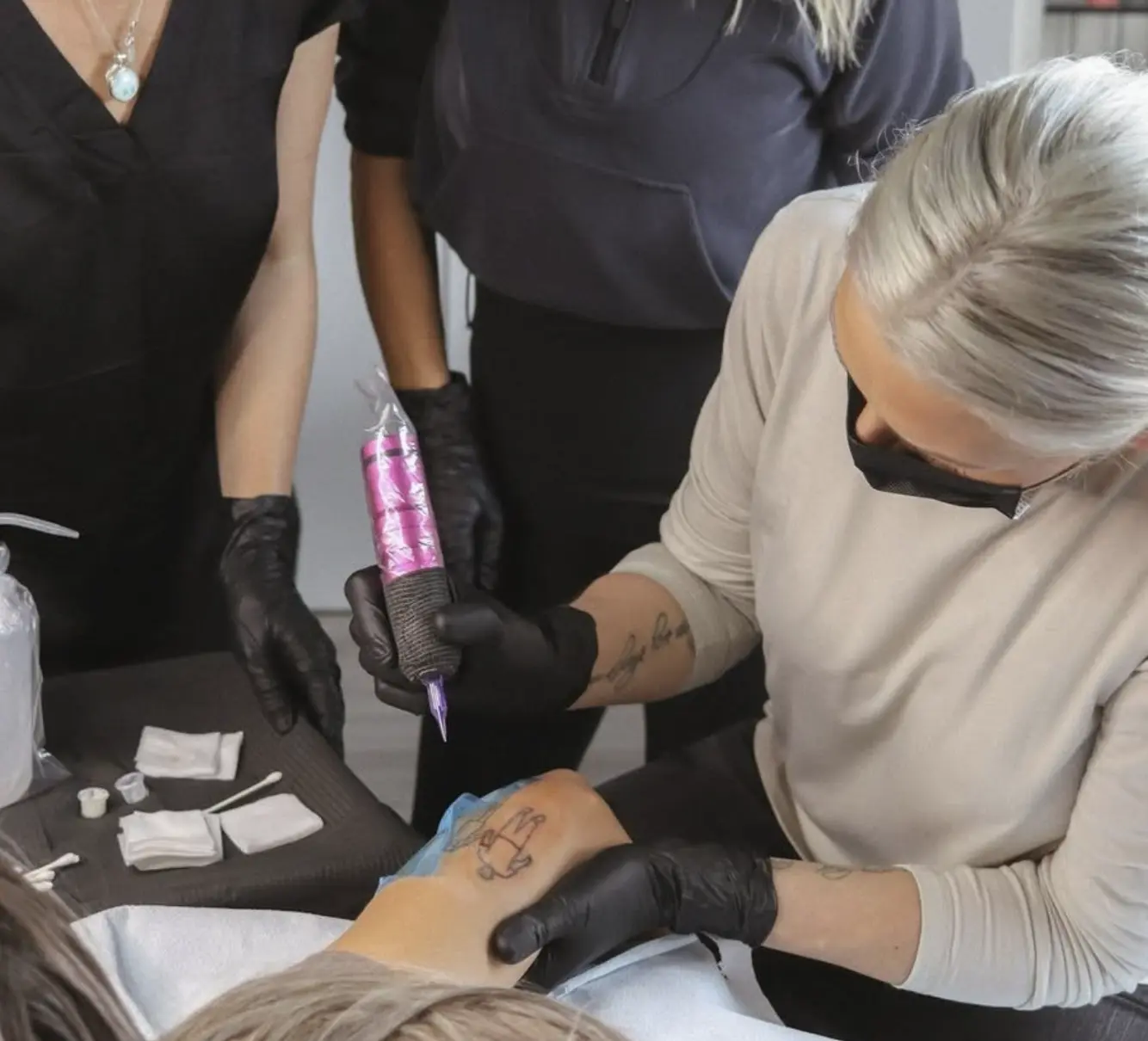
What You Actually Need To Get Started
You can perform tattoo removal as a beauty therapist in Australia in 2026, provided you meet all the strict requirements for licensing, training, and safety.
You don’t need a nursing degree – full stop – or registration, in fact. What you do need is a clear head for skin, laser safety, and infection prevention and control compliance. Loads of people get tripped up at this point – they assume just doing a course will make them qualified – but it ain’t that simple.
At Cosmetic Tattoo Studio Melbourne Face Figurati, I meet therapists all the time who’ve finished a laser course in Melbourne, but they still aren’t licensed, and that can be a right old mess waiting to happen.
Why This Treatment Sits Closer To Clinical Work Than Beauty
Laser tattoo removal goes way deeper than your average surface-level treatment. You’re using high-energy light to target the pigment that’s buried deep in the dermis.
To do it right, you’ll need:
- A good, solid understanding of anatomy and physiology – not just the basics, either
- A good grasp of how the skin heals and behaves
- The ability to change your approach based on how the skin reacts
In the studio, I put it in simple terms:
“We’re not just fading ink – we’re managing how the skin behaves while we’re doing it.”
That’s why this sort of service requires a lot more responsibility than a standard beauty treatment.
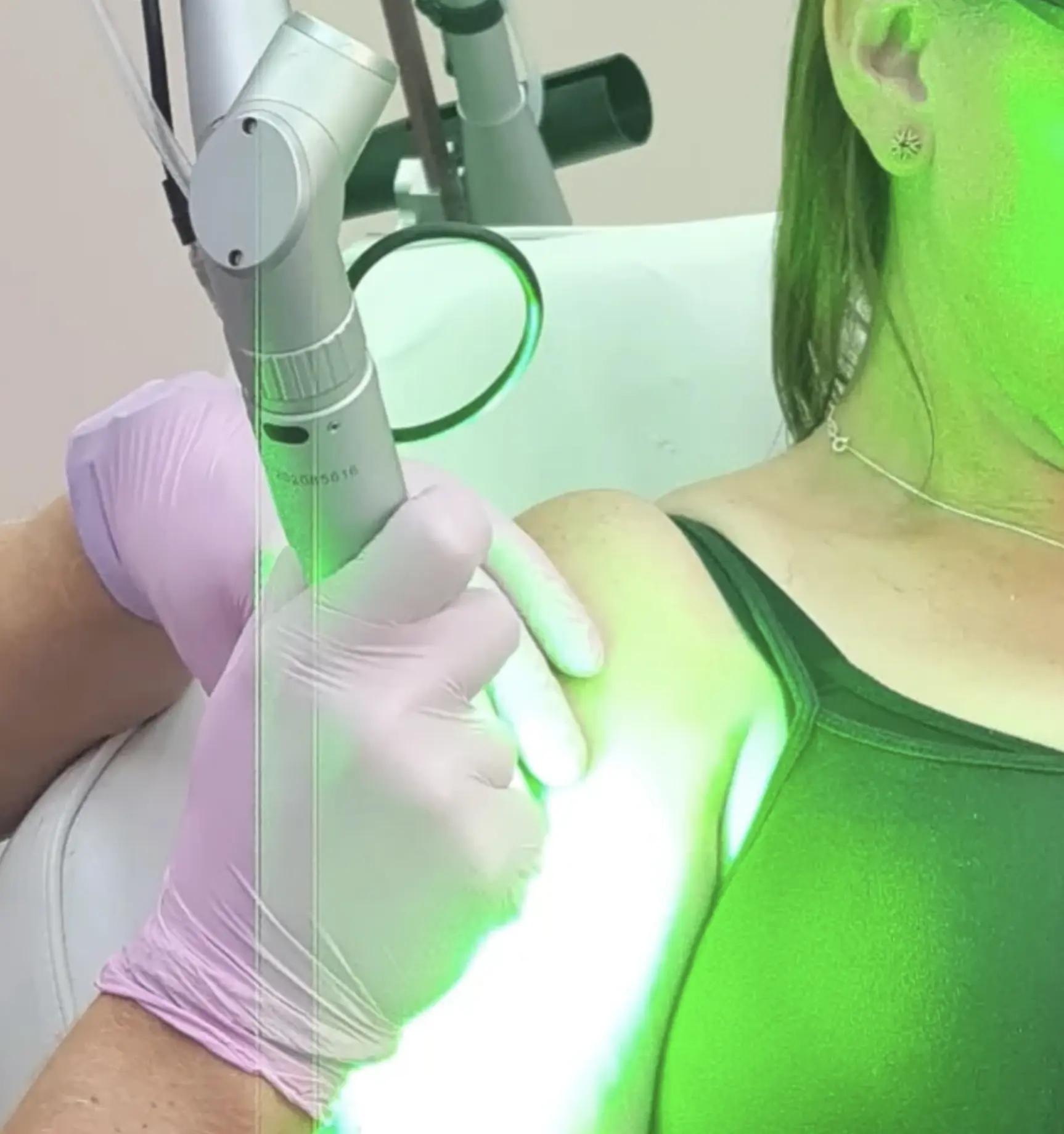
The Mandatory Steps Before You Can Treat Clients
To proceed with this safely and legally, you need to do much more than just get a certificate.
You’ll need:
- Laser safety certification (LSO)
- A state-issued radiation or use licence
- Device-specific training
- Knowledge of health assessment techniques
- Proper handling of medical records
Loads of therapists go into this field after completing a cosmetic tattoo course or a microblading course, but adding laser removal to that requires a whole different set of skills.
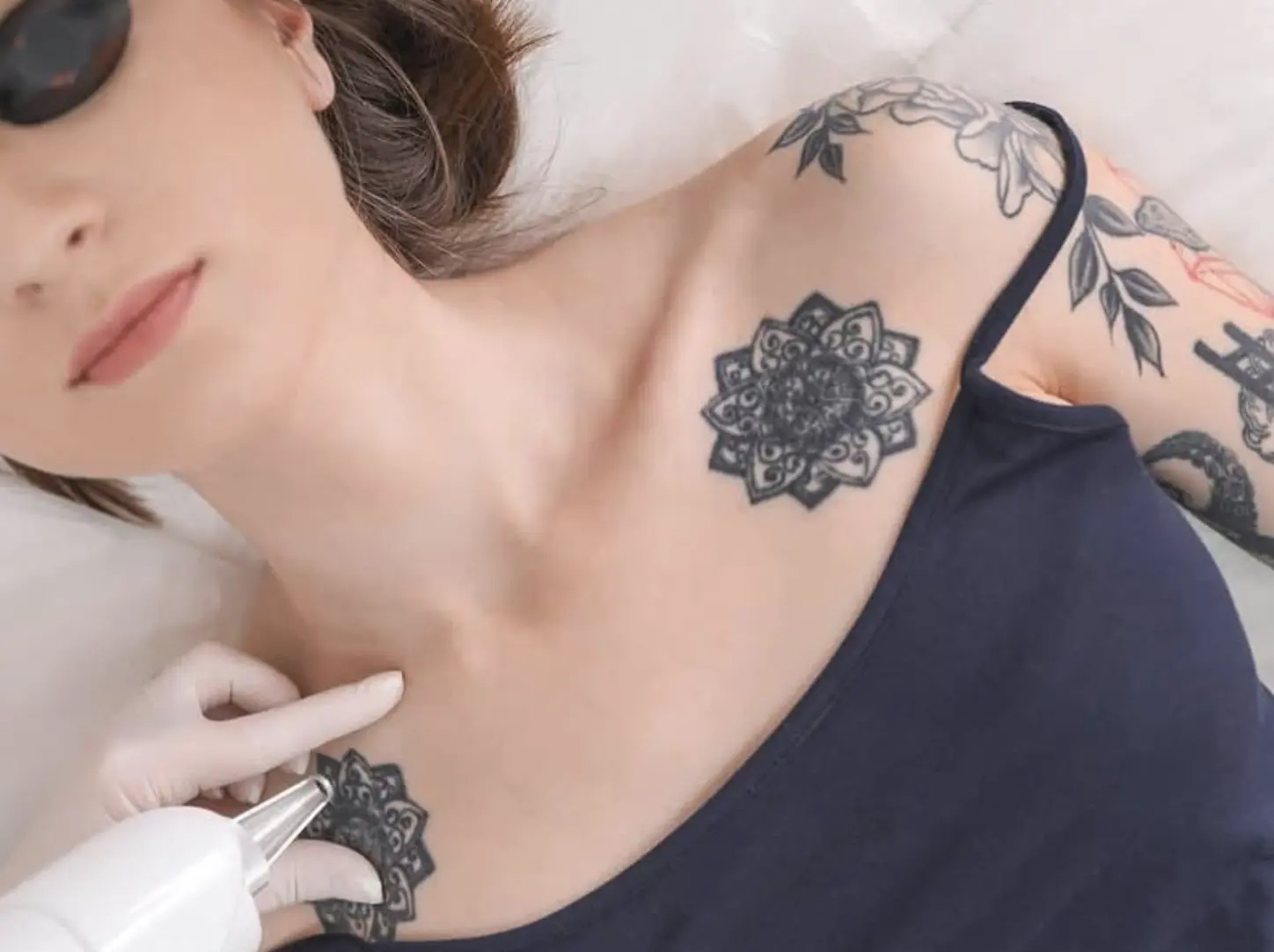
At Cosmetic Tattoo Studio Melbourne Face Figurati, I meet lots of therapists who’ve completed a tattoo removal course in Australia but still need a bit of guidance with the compliance stuff.
Comparing Career Pathways Without The Confusion
There’s a lot of noise around whether nursing is “better.” Let’s simplify it.
| Path | Scope of Tattoo Removal | Training Commitment | Key Advantage |
|---|---|---|---|
| Beauty Therapist + Licensing | Fully allowed | Short to medium | Faster entry into the industry |
| Registered Nurse | Fully allowed | Long (degree + clinical placement) | Strong clinical knowledge |
| Medical Practitioner | Fully allowed | Extensive | Broader treatment scope |
At Cosmetic Tattoo Studio Melbourne Face Figurati, I’ve worked alongside a bunch of nurses and therapists. Nurses bring extensive clinical experience and are skilled at managing wounds, thanks to their time in clinical placements and rotations.
But here’s the thing – all that experience doesn’t automatically translate into some pretty seamless aesthetic results. Beauty therapists, especially the ones who’ve really honed their craft through heaps of hands-on experience, tend to have better control over what the pigment actually does and how it looks.
The Type Of Education That Actually Makes You Competent
A lot of people ask me if a short course is enough, and my answer is – no, if you want to do this right.
Real training is all about combining theory, practice, and problem-solving. You’ve got to know how the skin reacts – not just what button to press.
This includes:
- Getting a good understanding of how pigment works and what happens when it breaks down
- Practising on all sorts of skin types
- Learning how to adjust settings in a safe way
- Getting experience through simulated hours or supervised sessions
Some therapists think starting with a laser hair removal course is a good idea, but they quickly realise that tattoo removal requires a completely different set of skills.
At Cosmetic Tattoo Studio Melbourne Face Figurati, we often see therapists who’ve done a tattoo removal course in Australia, but still don’t have the confidence to work with real clients.
What A Safe Appointment Looks Like In Practice
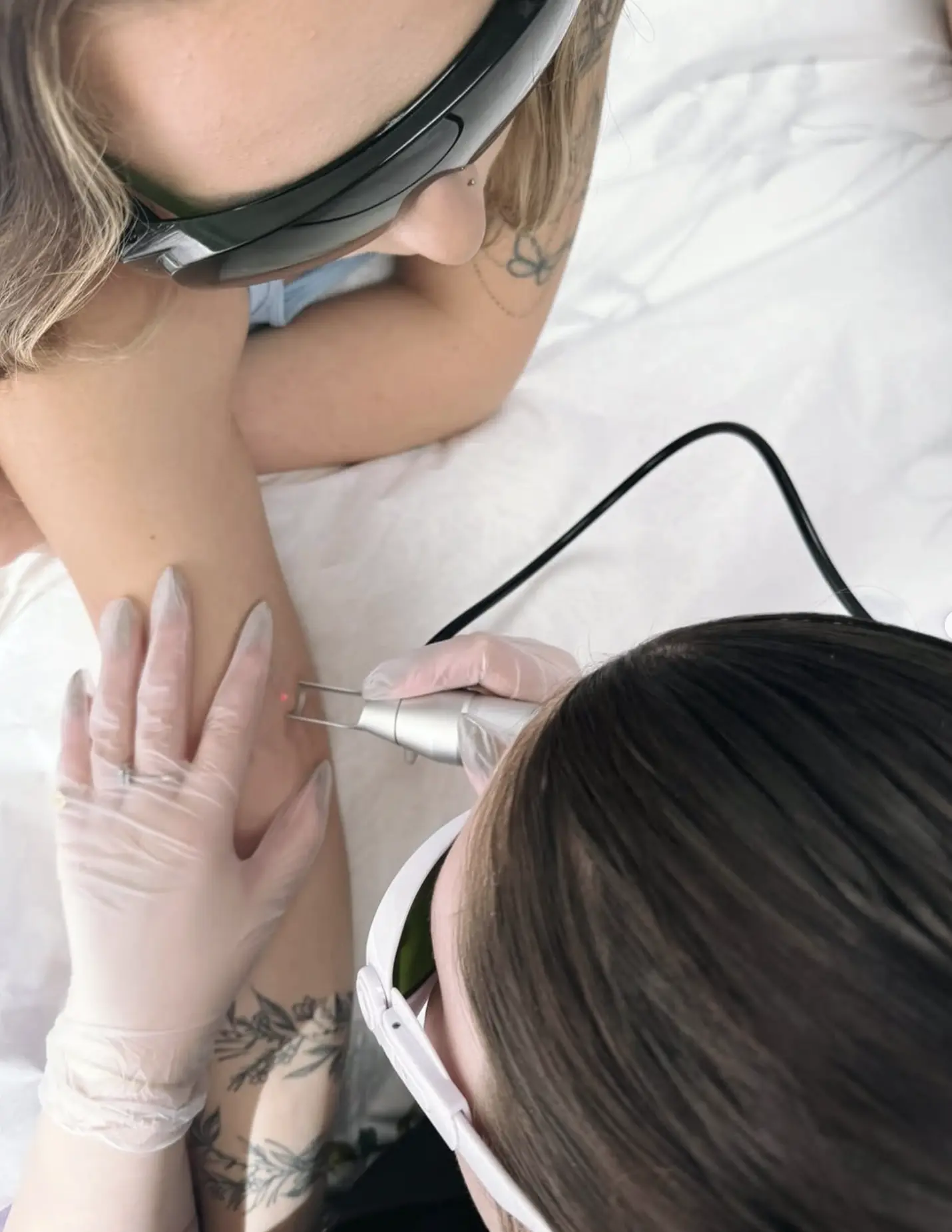
A proper session is all about being methodical and structured – not rushing to get in and out.
It starts with a consultation and a health assessment, followed by a patch test – we only proceed once we’ve assessed the skin reaction.
After that, healing goes through a pretty predictable pattern:
- Early redness and sensitivity
- Possible light blistering
- Gradual recovery over 2-3 weeks
- We reassess before the next session
BUT the biggest issue I see is people pushing too hard, too fast. And that’s where complications start.
How Local Conditions Influence Healing Outcomes
Melbourne’s climate is all over the shop, and your treatment plan needs to take that into account.
Seasonal changes affect:
- Skin hydration
- UV exposure
- Risk of pigmentation issues
At Cosmetic Tattoo Studio Melbourne Face Figurati, we adjust every session based on when it is, how your client’s lifestyle is going, and their overall skin condition – it’s not just a matter of fiddling with the machine settings.
There’s no one-size-fits-all approach.
A Case That Shows Why Technique Matters
We had a client who’d already tried to get rid of a tattoo elsewhere, and unfortunately, it hadn’t gone well.
The problem was that the treatment had been rushed – they’d been doing multiple sessions with no thought given to giving the skin time to heal in between, and they were also pretty bad at keeping track of their medical records.
As a result, the tattoo was fading unevenly, and signs of skin damage were already appearing.
So we stopped everything and gave the skin the chance to heal properly. Once it had, we then started up the treatment again, but this time we made sure to space out the sessions properly and keep a close eye on how the skin was coping.
Over time, the skin recovered, and the tattoo faded evenly without any further complications.
You see, that’s what happens when you put safety first and don’t try to rush things.
Realistic Costs And Time Commitment
Let’s be real, tattoo removal isn’t a quick fix – it takes a lot of patience from both the client and the practitioner.
In Australia, the cost of a session can range from $150 to $600 AUD, depending on the size and complexity of the tattoo. And more often than not, it’s going to take several sessions spaced over several weeks.
Results depend on:
- Ink colour
- Depth
- Skin type
- Age of the tattoo
There’s no shortcut — and anyone promising one is cutting corners.
How To Prepare And Care For The Skin Properly
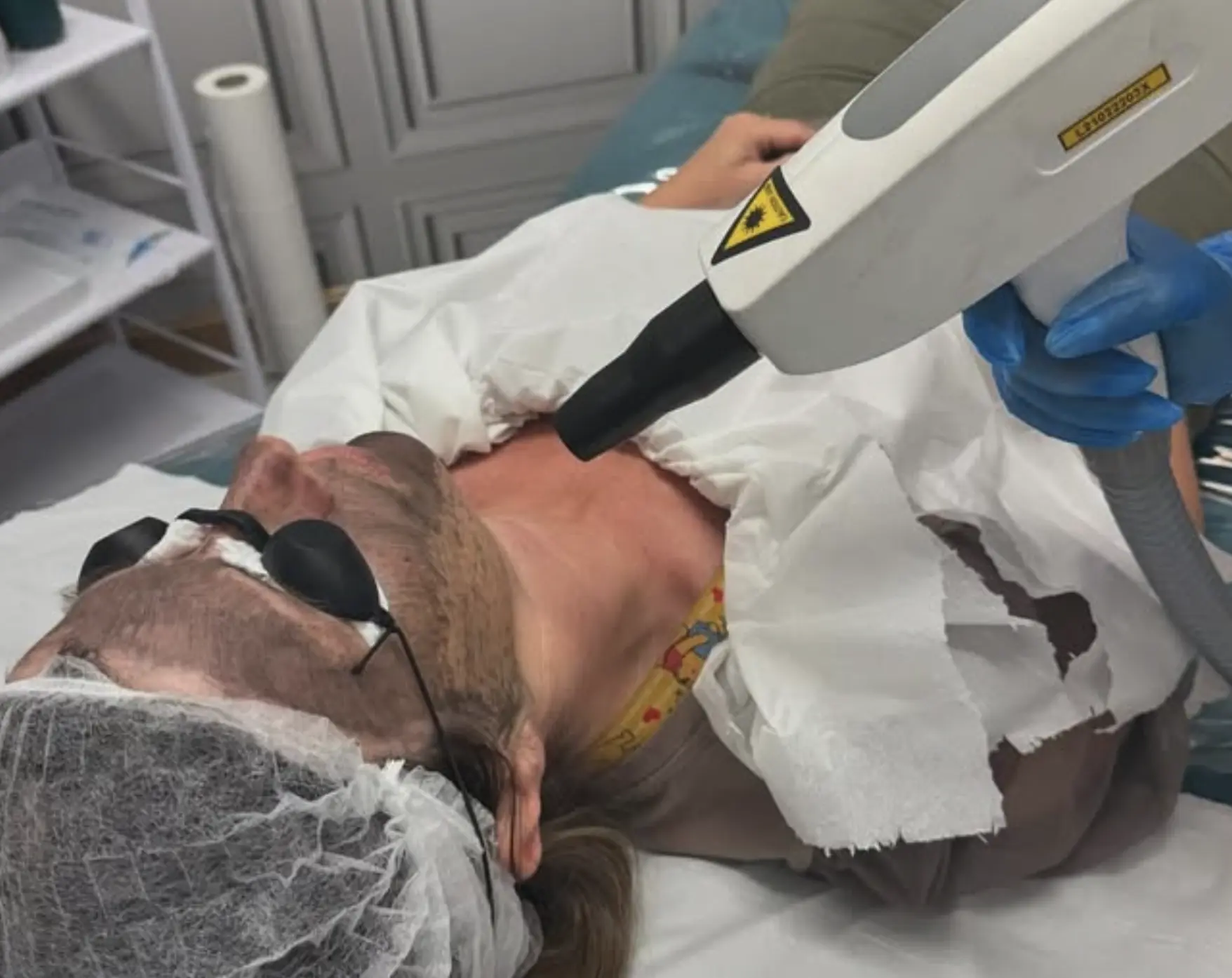
Preparation and aftercare don’t have to be a nightmare, but they do need to be taken seriously. Before the treatment, the skin should be as calm and relaxed as possible, free from any tan or irritation. After the treatment, it’s all about protecting and helping the skin heal.
The one thing that always surprises me is how many people try to pick at the area afterwards. It’s tempting, I get it, but it really does interfere with the healing process and can even lead to scarring.
At Cosmetic Tattoo Studio Melbourne Face Figurati, we always remind our clients: “The treatment itself is quick, but it’s the healing that really makes the results happen.”
Clearing Up Industry Misconceptions
There’s a lot of rubbish floating around online – especially when it comes to tattoo removal. For example, I often see people saying that just doing a course means you’re ready to start treating clients. But that’s just not true. There’s a lot more to it than that.
Another myth that always gets trotted out is that laser hair removal training courses automatically qualifies you to do tattoo removal. But the truth is, while the technology might overlap a bit, the treatment goals and risks are completely different.
And then there’s the idea that faster treatments are always better. Newsflash: they’re not. Patience is key to achieving the best results in tattoo removal.
Is This The Right Career Move For You?
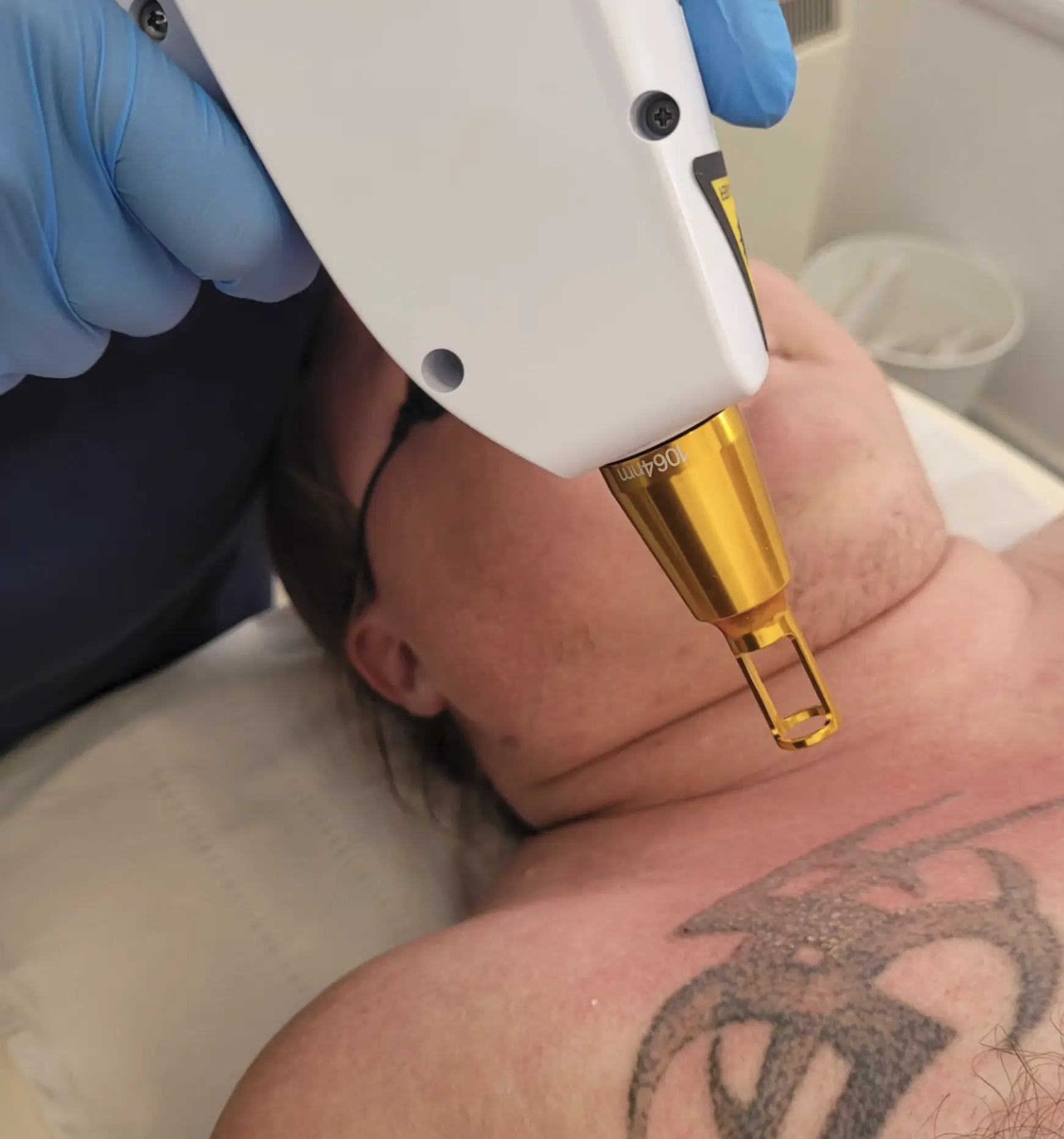
Tattoo removal might just be the perfect addition to your skill set – but only if you approach it the way you should.
If you’re serious about investing time and effort in proper training, following the rules, and building your knowledge over the years, it can be an incredibly rewarding experience. Some therapists even pursue further study or expand into more advanced skin treatments.
But if you’re after quick fixes or just want a shortcut to the top, then this profession isn’t for you.
The fact is, people trust you with their precious skin, and often with fixing something they genuinely regret.
Final Thoughts: Do It Properly Or Don’t Do It At All
Tattoo removal is a bit of a grey area between beauty treatments and clinical practice. This means standards really do matter – and cutting corners is something that’s going to show up sooner rather than later.
Here at Cosmetic Tattoo Studio Melbourne Face Figurati, everything we do is all about safety, consistency, and getting real results – none of that trend or shortcut nonsense.
If you’re thinking of getting into this space, don’t rush into it. Take the time to choose the right training. Understand all the regulations and rules. And most importantly – show some respect for the skin you’re working on.
FAQ
Can beauty therapists do tattoo removal in Australia?
Yeah, they can – providing they have the right laser certification and state license.
Do you need a nursing degree to perform laser tattoo removal?
No, but having one can give you some extra clinical background.
What training do you need to do before you’re allowed to mess around with lasers?
You need to get laser safety certification, get some hands-on device training, and have a good understanding of skin and how it heals.
How long does it really take to get confident with tattoo removal?
The initial training might only take a few months, but getting to the point where you really feel confident is all about getting some hands-on experience.
What’s the most common mistake beginners make when it comes to tattoo removal?
Hands down – it’s over-treating the skin and not giving it enough time to heal between sessions.