You’ve probably heard that recycling saves the planet. Fair enough. But what’s the main purpose of recycling really? Is it to stop the seas from filling up with plastic bottles and plastic waste? Save a few trees from paper waste? Or is there more under the hood?
At Old Cars Removed in Melbourne, we deal with metal, motors, and messes every day. Recycling isn’t just a green tick — it’s how we keep the wheels turning on sustainability, scrap value, and council compliance. In this guide, we’ll break down why car recycling matters, how the recycling process works on the ground in Victoria, and why even that cactus Corolla in your driveway still has a purpose.
It’s About Resources, Not Rubbish
Recycling isn’t just about keeping stuff out of the tip. It’s about putting waste materials back into circulation as recycled materials. It’s about waste reduction and replacing raw materials with recyclable materials whenever we can.
Think about your old ute: underneath the rust is a goldmine of reusable metals. When you recycle a car, you’re not just junking it. You’re feeding steel mills, fuelling textile recycling industries, and keeping aluminium and other valuable bits in use. That’s what we call internal recycling and sometimes external recycling — both are critical for a circular economy.
- Steel recycling uses 75% less energy than making new steel from raw materials.
- Aluminium recycling saves up to 95% of the energy compared to virgin production.
- Plastic production from recycled plastics conserves petroleum and keeps plastic bags and containers out of landfill sites.
Recycling reclaims value. It turns yesterday’s paddock bomb into tomorrow’s bus shelter, toolkit, or recycling bin.
We’re Slowing the Climate Cogs
Ever heard of embodied carbon? It’s the emissions tied up in making stuff — mining, smelting, transporting the lot. Recycling cuts that out.
Every tonne of steel we recycle saves around 1.5 tonnes of CO2, helping lower our carbon footprint. Now multiply that by the thousands of cars we tow across Melbourne each year. It adds up to major energy conservation.
Recycling:
- Reduces demand for new fossil-fuel-powered production
- Shrinks the footprint of landfill waste (which emits methane)
- Keeps the supply chain circular, not linear (hello, goodbye linear economy)
The less we dig, burn, and bin, the better the long-term odds for our air, soil, and water.
It Keeps the System Honest
Ever seen a dodgy backyard operation hoarding scrap like it’s gold bars? We have. Legitimate recycling isn’t just good for the planet — it keeps the recycling industry above board.
In Victoria, the Scrap Metal Industry Act 2015 makes it clear: scrap needs to be traceable. That includes:
- Recording who sold what
- Verifying ID
- Preventing cash-in-hand deals for stolen parts
When we recycle, we do it by the book. VIN checks, paperwork, and transparent processes that make sure your car’s journey doesn’t end up fuelling the black market.
Recycling Supports Local Jobs
This isn’t just about green fluff. The recycling industry supports a whole chain of real jobs — from drivers and dismantlers to metal graders, recycling centre operators, and sorters.
In Australia, the recycling sector directly supports around 50,000 jobs, compared to just 10,000 in landfilling. And as recycling programs expand, so do the job opportunities.
Here in Melbourne, our crews don’t just crush and run. We:
- Remove hazardous fluids (like coolant and fuel)
- Separate reusables (like tyres and batteries)
- Organise parts for resale or melting
It’s gritty, hands-on work that supports the economy while cleaning up the suburbs.
Materials We Can Actually Recover
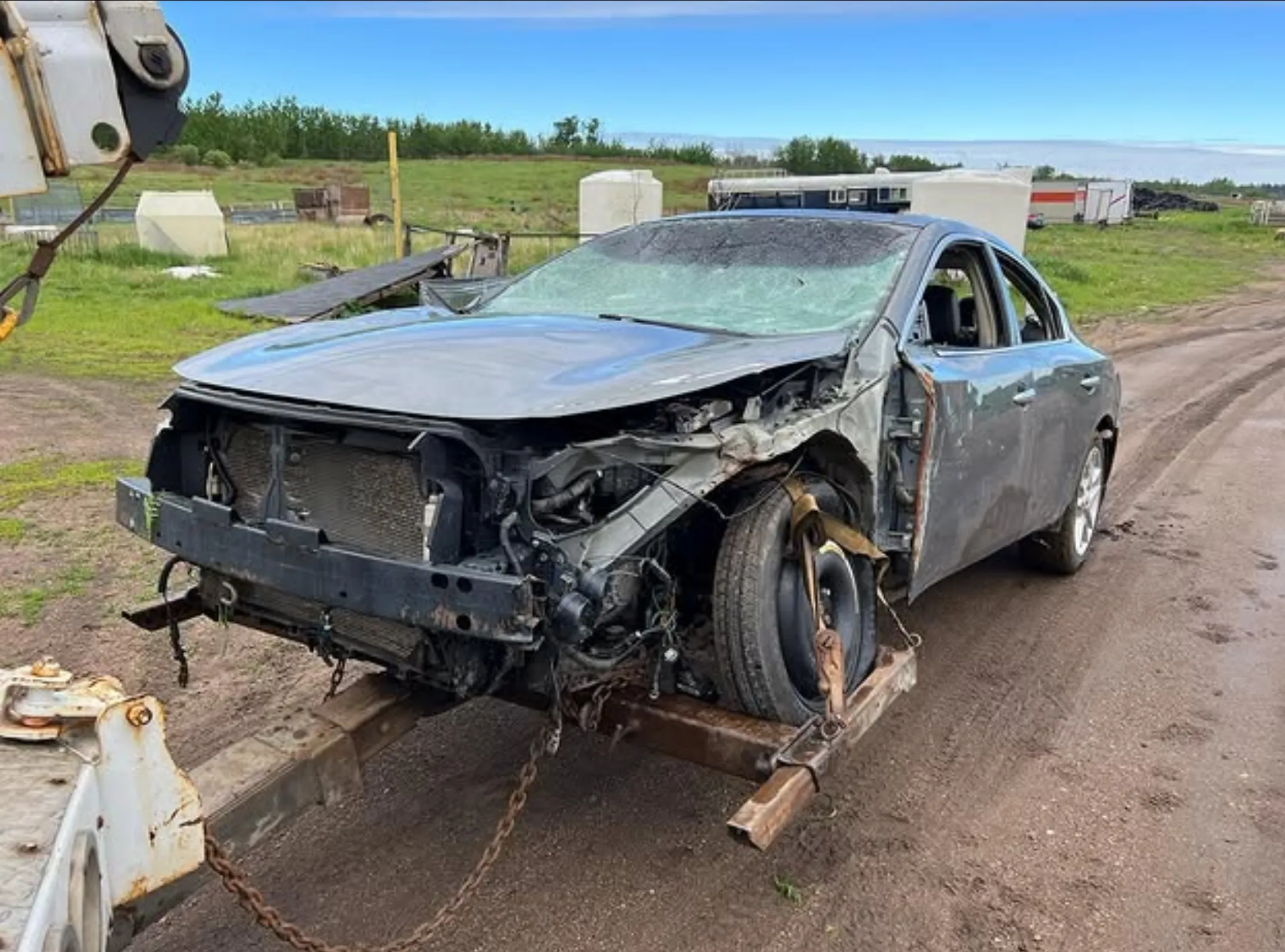
Not everything can be recycled (yet). But a lot more can be than most folks reckon. When we tow an old car, here’s what we can usually pull:
| Material | Recycled Into |
|---|---|
| Steel | Construction beams, new cars, and tools |
| Aluminium | Cans, car parts, bike frames |
| Copper Wiring | New wiring, plumbing fixtures |
| Tyres | Crumb rubber for roads, soft-fall parks |
| Glass (windows) | Recycled glass products |
| Plastics | Bumpers, bins, furniture parts |
| Batteries | Recycled into new batteries |
| Fluids (fuel, oil) | Properly disposed of or reprocessed |
Recycling these means less mining, less refining, and less landfill. It also means your old ride keeps doing well long after the keys are gone. From plastic bottles to food waste, from recycled paper to textile recycling — there’s value in nearly every stream.
Why Your Old Car Still Has Value
We get it. That 1998 Astra with three flat tyres doesn’t look like much. But it’s still packed with recyclable materials worth salvaging. The trick is knowing what’s reusable.
We offer cash based on:
- Weight of the metal
- Type and condition of parts
- Whether the rego/paperwork is in order
Even unregistered, non-running, or flood-damaged vehicles have value, especially with scrap metal prices staying relatively strong in 2025.
Need an example? One time in Sunbury, we picked up a Hilux so bogged in the paddock we had to winch it through a dam. Rusted to bits, but the steel alone was worth a few hundred bucks.
Common Recycling Myths (That Need the Bin)
- “Recycling is pointless if it’s mixed up.” → Not true. Mixed materials can still be mechanically or chemically sorted thanks to recycling codes and modern technology.
- “Old cars can’t be recycled.” → Completely false. Most cars are 85–90% recyclable.
- “It all ends up in a landfill anyway.” → Nope. Legitimate scrap yards (like the ones we deal with) send materials to proper recycling programs.
- “You need all your paperwork or it’s worthless.” → While having rego helps, we can still take and pay for unregistered cars as long as you prove ownership.
- “Only stuff with the recycling symbol matters.” → The recycling symbol is handy, but not everything recyclable is labelled. That’s where proper sorting comes in.
Our Take: Recycling Is Just Good Sense
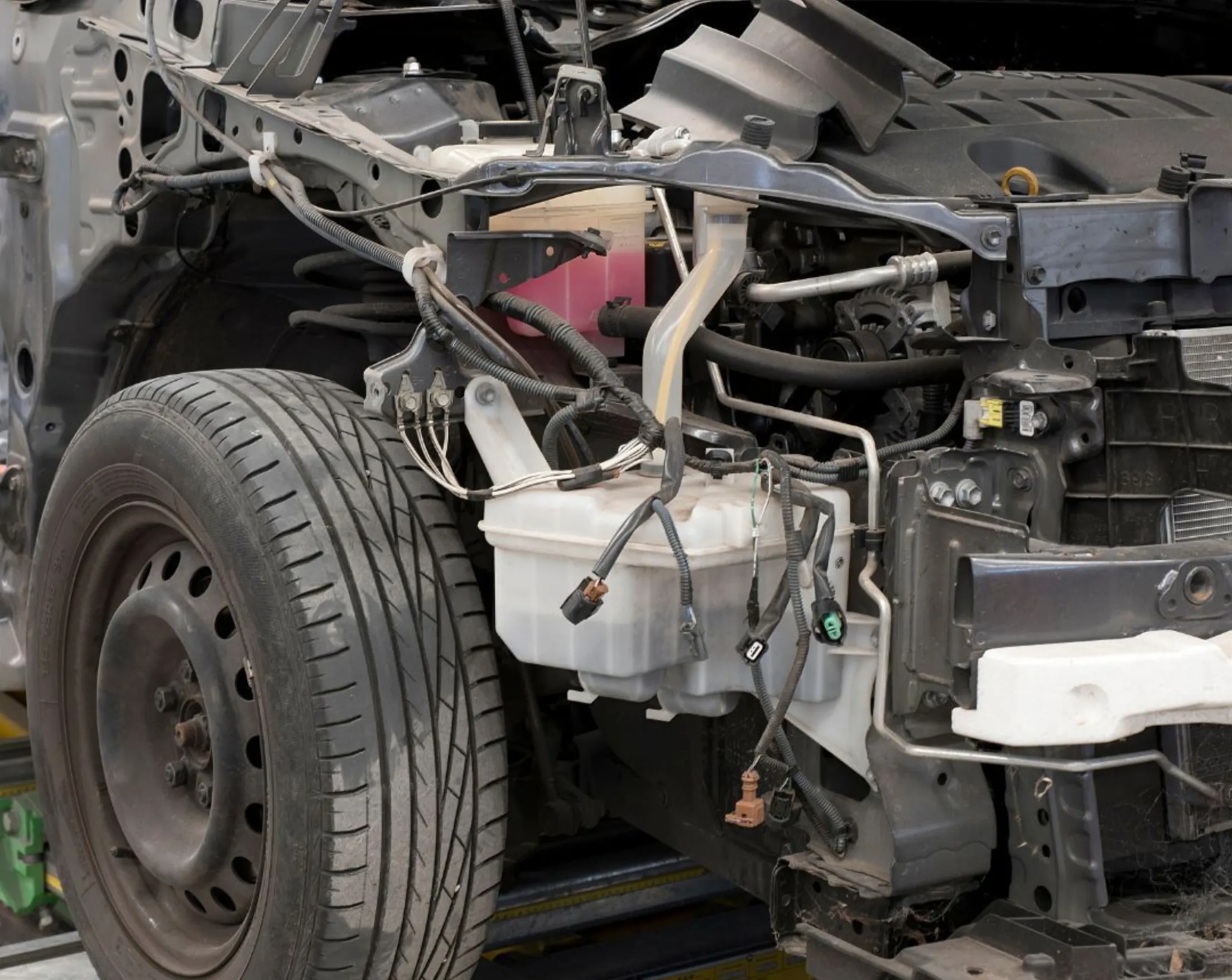
So, what’s the main purpose of recycling? Simple. It’s about keeping materials in use, cutting landfill waste, saving energy, supporting recycling behaviour, and making sure nothing valuable ends up rusting in the bush.
It’s also about shifting from a throwaway mindset to a circular economy — where closed-loop recycling replaces single-use waste. Where energy savings trump energy recovery. Where we focus more on resource value than just binning junk.
At Old Cars Removed in Melbourne, we’re proud to be part of that chain. Whether it’s general waste or car recycling Melbourne drivers need help with, we’re here to make it easy, quick, and worthwhile.
FAQ
What parts of a car are most valuable to recycle?
The steel chassis, engine block, aluminium wheels, copper wiring, and catalytic converter often carry the most value.
Does VICRoads need to be notified when I scrap a car?
Yes. You should notify VICRoads if the car is registered. We can help you with this on pickup.
Can I recycle my car if I’ve lost the keys or rego papers?
Yes. As long as you can prove ownership (like a licence and matching VIN), we can remove it.
Is there a best time of year to scrap a car?
Scrap metal prices fluctuate. Autumn and spring tend to be stable, but the real driver is global steel demand.
What happens if I leave my old car too long?
It could leak hazardous fluids or attract council fines. Plus, the value drops as rust takes hold.